
The trekking trail that took us down to the Pandavsera valley was covered with undergrowth and it was more a scramble through the dense vegetation than following an actual path. It was when we reached the actual valley floor, the flowers came to our notice. It seemed that the entire valley was full of flowering plants of all shapes and kinds, decorating the land in various shades. There were plants crowned with flowers, that rose up to our shoulders at times, with some thorny ones trying to hold us back.
At times I stepped on a bush only to be startled by the sound of colorful wings taking off in the air as I had come too close to their nests in a nearby bush. As we moved deeper into the meadow it seemed that we were in a zone decorated in nature’s own carefree style, in the heart of the Himalayan wilderness, an utterly fascinating terrain.
It was the end of September so the flowering season was over in the mountains. Still, the number of flowers that we saw in Pandavsera made us wonder how enchanting the valley must look in the rainy season when the flowers bloom in full glory.
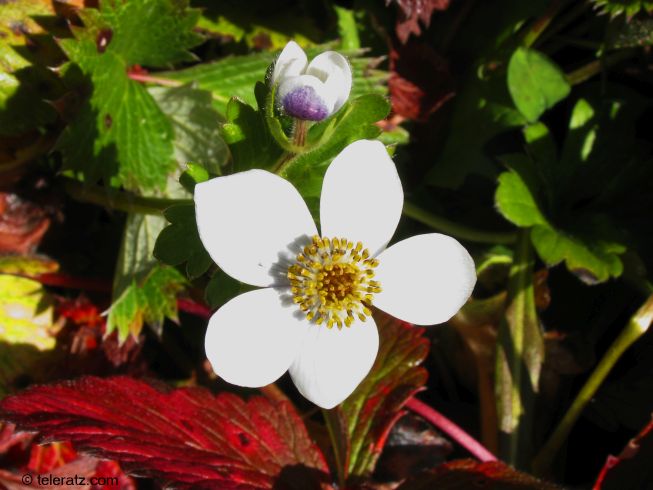
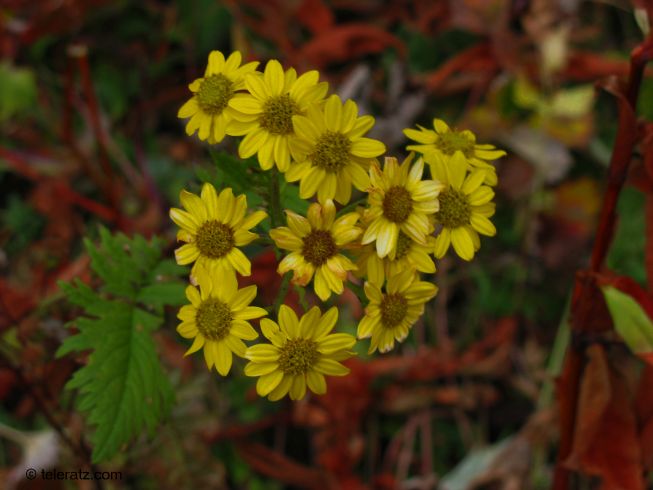
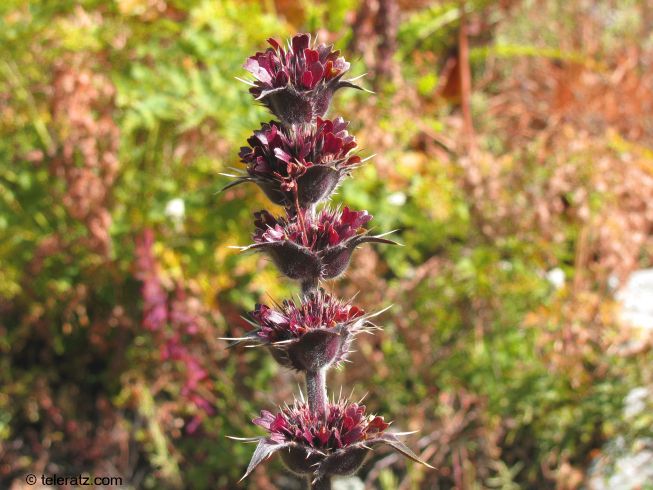
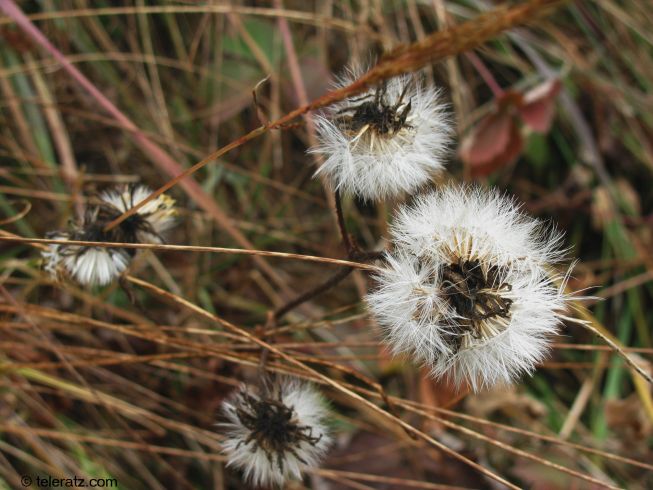
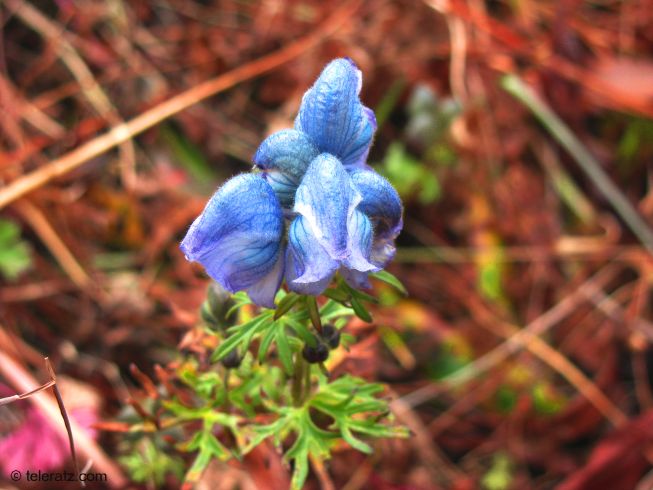
Apart from the renowned Valley of Flowers, the Himalayas contain many other blooming valleys such as this, which can be both wild and charming in equal measures. The Nandikund trek offered us a treat way beyond our expectations in this regard. I have attached some images of the various Himalayan wildflowers we viewed in the region at the end of this trekking trip blog.
Even today, after visiting multiple meadows in the course of my travels and treks through the Himalayas, the wild beauty of Pandavsera remains unmatched in my memories.
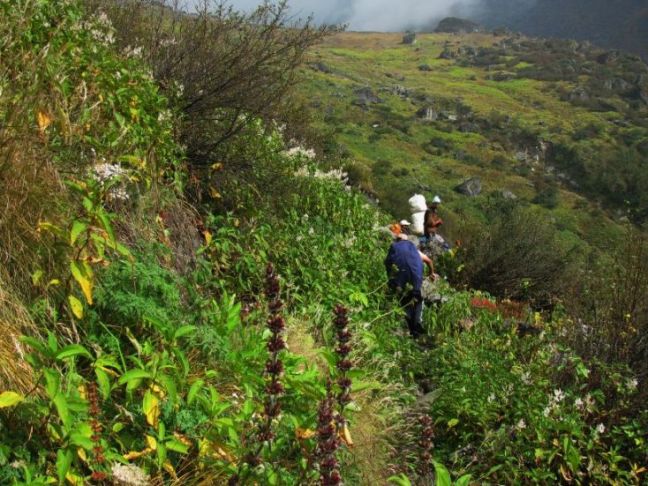

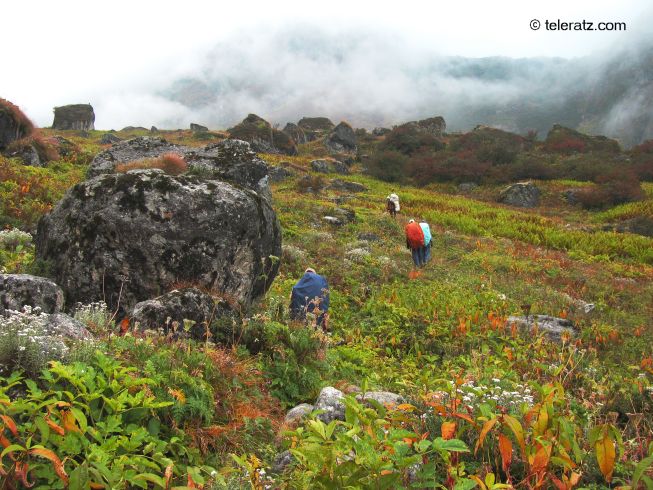
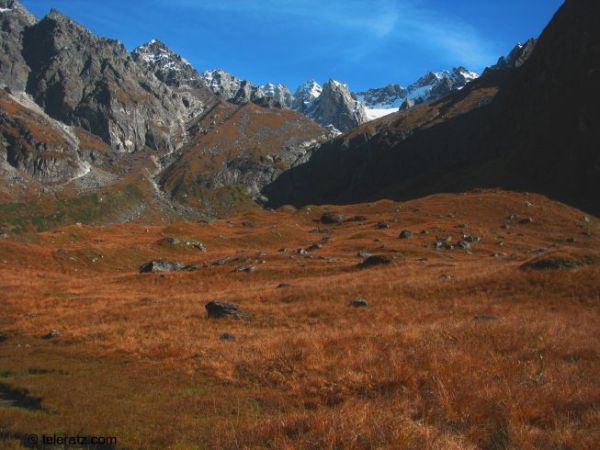
The meadow was about four kilometers or more in length and one and a half in width, with the river snaking through it. There was no defined path as we dragged our tired legs toward the spot where the tents would be set up, moving with cautious steps. There was no knowing what was beneath the dense vegetation which rose above the ankles and any wrong step could have resulted in a sprain or twist. As we walked through the meadow bypassing the huge boulders scattered around, the white and yellow flowers covered our path and it was a hard task trying not to step on them.
Nature seemed to have laid out a multi-hued carpet to welcome the visitors into her sanctum. By this time our legs were tired and shoulders sore with the weight of the rucksacks when at last we saw the spot where our porters were setting up the tents in between some huge boulders. The warm mug of soup handed to us by our cook, as we reached the tents, tasted like the best drink in the world as we relaxed our tired bodies.
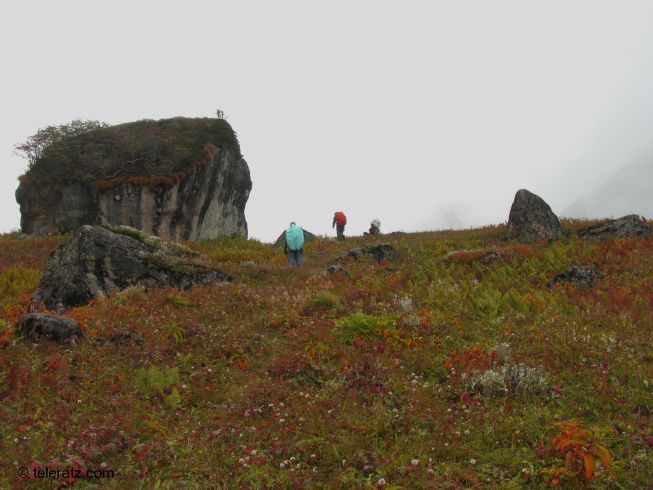
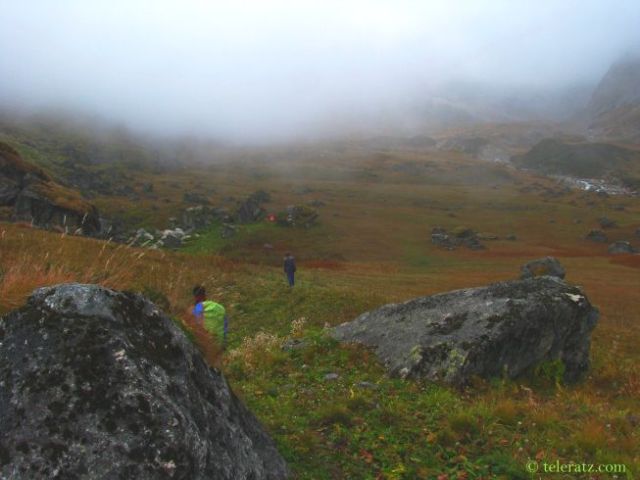

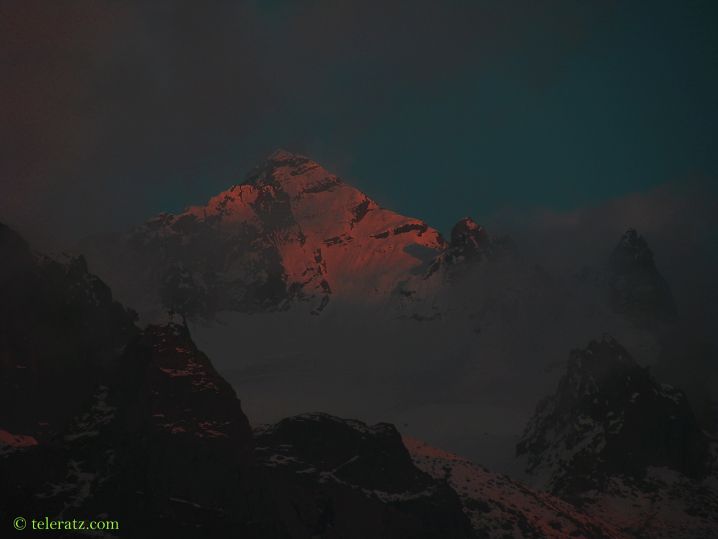
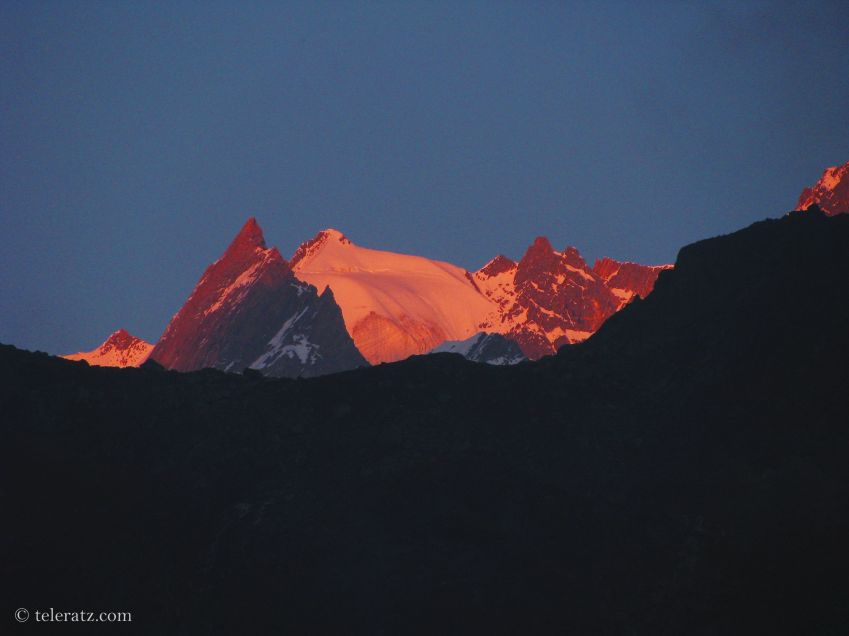
By the time we gathered ourselves up again and started looking around at the beautiful place, the setting sun was starting to colour the snowy peaks at one end of the meadow with crimson shades. We were the sole occupants of the entire meadow with not another human soul around us.
The Pandavsera grounds are a favorite haunt of Himalayan black bears and we saw a carcass of a horse, originally brought in by the shepherds who come to this place, which was killed and consumed by one of those.
As the night fell, the cloak of darkness around us was absolute and the silence seemed like a sacred entity that we dared not to disturb. The next morning was to be the most important day in this Nandikund trek when we set out for a view of the fabled waters of e Kund.
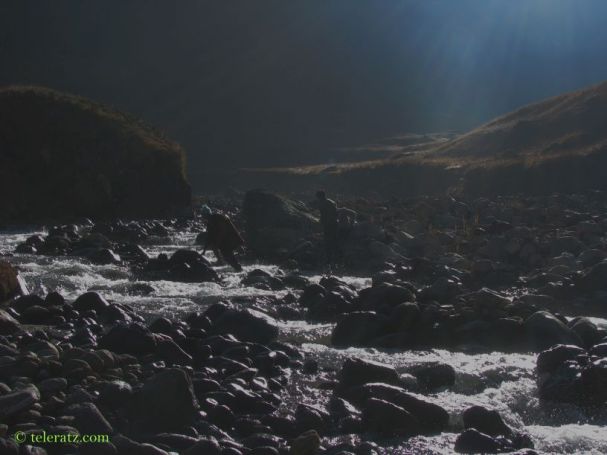
Our cook woke us up with hot cups of tea at first light so that we could start towards Nandikund as early as possible. The sun had not touched the meadow when we started and it was freezing cold. I could see overnight frosting covering the shrubs and bushes as we moved toward the other end of the meadow. The river was flowing in its full fury and we missed the wooden bridge placed at one point and went ahead.
As a result, we had to find another appropriate spot to cross the river, which was tricky. Crossing the freezing waters with the cold cutting across our feet like a knife was quite an experience. By this time, the sun had come high enough to flood the ground with its rays and we were grateful for the warmth he gave us. At this end of the meadow, the river breaks up into multiple narrow streams resulting in some marshy areas. The myth goes that the Pandava brothers had cultivated this area, breaking up the river into multiple channels for irrigation.
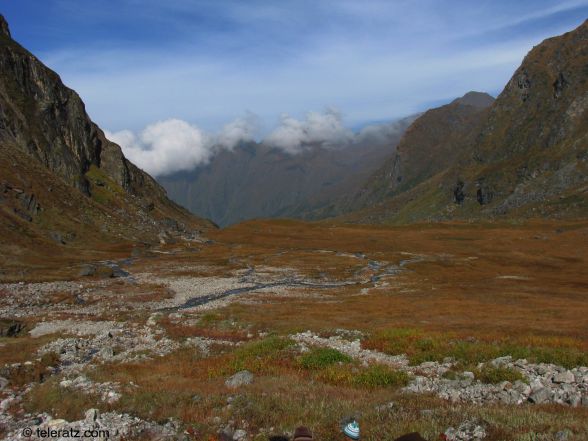

The climb to Nandikund starts from the end of Pandavsera grounds and it is a steep one with hardly any respite from its sharp incline. We went across rock faces and outcrops, resting at times on some of the occasional flat patches. Mount Chaukhamba became visible on the rear end as we climbed higher. After about a kilometer of uphill trek, we came across a zone covered by Brahma Kamals, the sacred flower offered to the Himalayan deities, especially Shiva.
The white flowers bloomed in abandon and I had never seen so many of them together before. The river which had its origin in Nandikund came down the slope in torrents and we followed it up across the boulders. Higher up, the zone of Bramha Kamals ended and the reign of the rather strange-looking violet-colored Phen Kamals (Botanical name Saussurea simpsoniana) started, which usually grow above 3800 meters. In fact, the whole trek from Pandavsera to Nandikund is a fascinating journey with some of the best landscapes a Himalayan trekking tour can offer along with rich flora and fauna.
It is almost magical the way the Himalayan high-altitude lakes appear all of a sudden in the dry and barren landscape. One moment you are hopping across boulders and panting while climbing a ridge and the next moment, voila; the lake appears. I climbed slowly through the rarefied air and the steep slope, feasting my eyes on the scenery around me. Then as I climbed up one ridge and stood at its top, the green waters of Nandikund, nestled between snow-covered peaks, became visible to me.


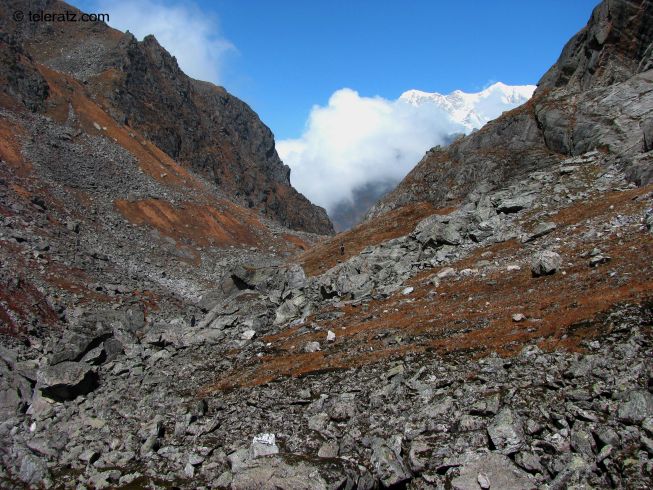
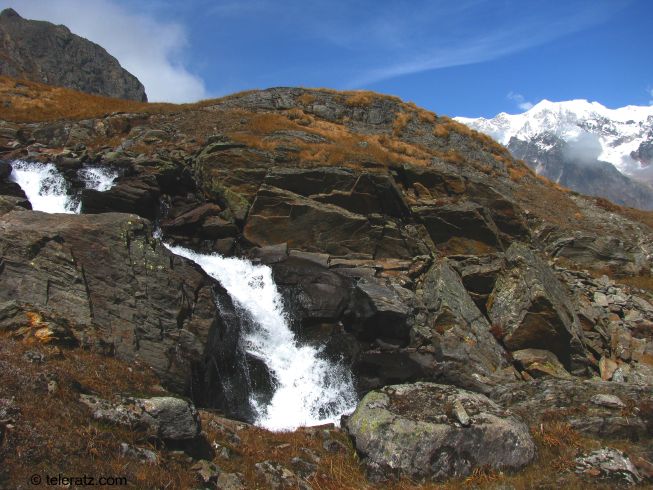

Reaching the destination after days of long and tiring walks over tough terrains brought in a sense of satisfaction that seemed to engulf me, making that moment over the ridge a memorable one. All instances of material achievements seem to fade away in comparison to that moment, with just a first glimpse of that water body.
Trudging along the mountain slopes for days, only to view a body of water does not make much sense in logical terms. But perhaps the best moments of life are those which are not tied by the bonds of logic. I walked down to the shore of the lake where our porters were already cooking some prasad to make an offering in the small temple at one side. Like many other Himalayan lakes, Nandikund is also considered sacred by the nearby villagers.

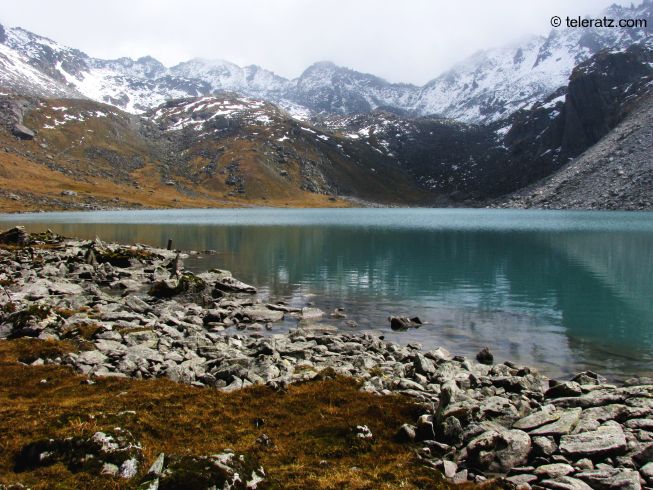

The temple contains some old weapons that are believed by the locals as the relics of the Pandavas. The entire route was shadowed by the myths of the Five Brothers and it seemed we were tracing the paths of those remarkable men who came here eons ago. It is not hard to imagine that this place has probably been preserved by nature as it was during the times of Mahabharata. The rocks would perhaps still whisper stories of that bygone era if given the chance. The still waters and the serenity of the surroundings emanated calmness and we sat on the rocks, enjoying the atmosphere.
Nandikund is an oval-shaped lake about a kilometer in length, situated in a basin surrounded by peaks. The snow-covered Ghia-Vinayak pass rises up at one end and the river originates from the other end. The clouds came up obscuring the blue skies and it was time for us to head down. We had the good fortune to complete the Nandikund trek successfully with the full support of the weather.
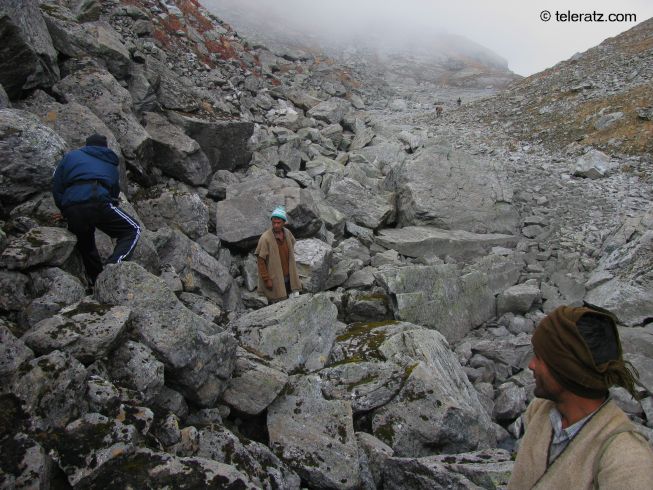
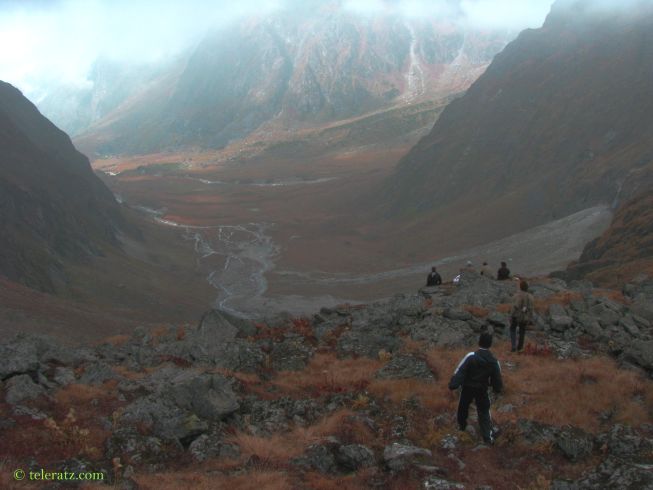
Heading down was more adventurous than the walk up, as we could see the Pandavsera ground lying almost a kilometer down below us. Keeping the balance across the grassy slopes while moving down was a bit tricky and we moved cautiously, especially as one of our porters casually said,” Sahab, agar yihan se giroge to niche apki haddi bhi nehi milegi.” (Sir, if you slip down from here, it would be difficult to find even your bones down there).
Taking good care of our precious bones we came down to Pandavsera and headed to our tents with a satisfied heart. The next day, it was time to trace our path and back we went saying goodbye to the lovely setting. Any journey to Madhya Maheshwar is incomplete without visiting Budha Madmaheshwar and after reaching back to the village, the next morning saw us climbing up the slopes next to the temple. The glorious views of Chaukhamba and Mandani peaks basking in the sunlight, awaited us there marking a fitting end to an outstanding journey.




Nandikund Trek Information
Nandikund, at an altitude of around 4500 meters, is a moderate to strenuous trek which can be attempted by fit groups. A standard Nandikund trek itinerary will be eight days to reach Devagram/ Kalpeshwar by starting from Ransi, after spending a night beside the lake. After crossing the Ghia Binayak pass, one can halt at Brahma Bugiyal. The trail from here to Bansinarayan temple is quite long, about 15 kilometers. So a team can halt in Manpai Bugiyal in between, increasing the number of trek days to 9.
The weather at Ghia Vinayak pass remains uncertain at times so if one has to turn back from Nandikund, it will take three more days to come back to Ransi village. Some trekkers make the mistake of trying to reach Madhya-Maheswar in one day which is not a good idea. Days three, four, and six (crossing Kanchni Khal, reaching Pandavsera, and crossing the Ghia Vinayak pass respectively) are the most strenuous days in the trek so it’s best to start slow and adjust and acclimatize one’s body to the walk.
I would recommend the period between mid-September to early October as the best time for the Nandikund trek when the route is free of snow. There are no areas where technical climbing or roping up is required but the terrain is tough and the distances between the halts are quite long. The trek can also be done from the opposite direction, though climbing the Ghia Binayak pass from the other side is a bit difficult. The path is deceptive at times and a good guide is definitely required for this trek. All provisions are to be carried as there are no supplies or shelter beyond Madhya Maheswar.
By Suvajit Banerjee
© teleratz.com 2018
 Teleratz
[…] To be continued… […]
LikeLike