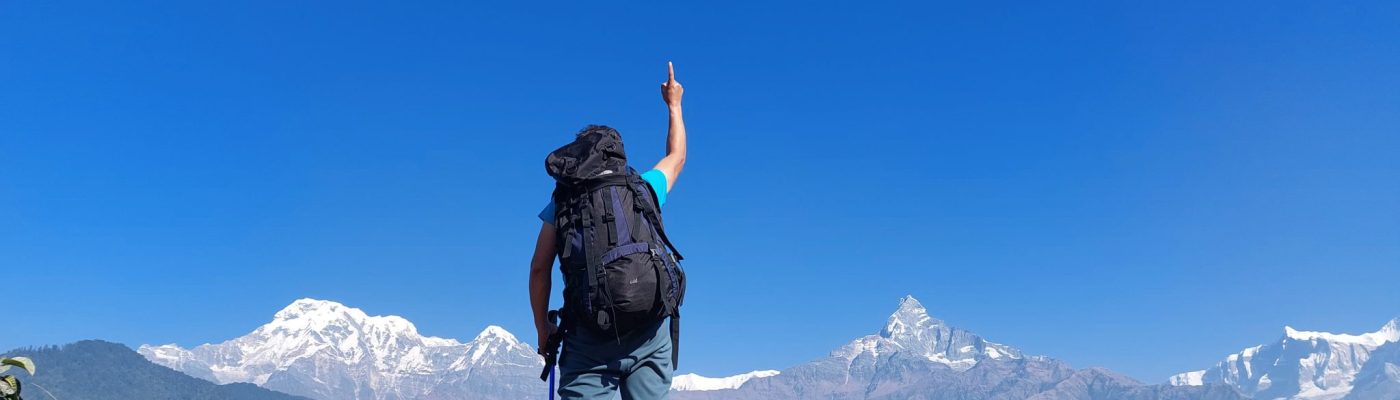
Your friends have been telling you stories about their trekking adventures and you have drooled at the photos they have posted on their social media pages. The call of nature and the wild has a strong hold on you but there is one point holding you back- your fitness.
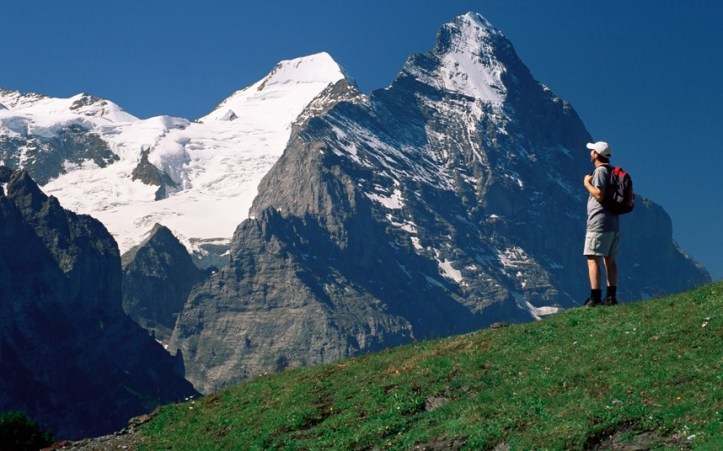
Let us admit the fact that not all of us are built for sports that involve a lot of cardio or enjoy spending hours in the gym carving up those hams and glutes. Some of us do love those creamy delights and oily wonders more than veggies and protein shakes.
So does that mean you will have to give up on your dreams of enjoying those heavenly meadows, sparkling streams and majestic peaks? Absolutely not.
Now, let’s not get carried away here. I am not suggesting that even if you are slightly (or more) on the heavier side and usually start breathing like a steam engine after running 20 meters, you can go and enjoy a high-altitude trek. The fact remains that you need to be sufficiently fit, both mentally and physically, to withstand the rigours of a mountain trek.
Carrying yourself up through a steep uphill track when the oxygen levels are below normal is not an easy task. So, you should never leave it to chance without undertaking some level of preparation. Without the right amount of fitness, your experience of the trek will be more painful than pleasure and moreover, you can place your team in an awkward situation with your condition.
I remember my experience with two unfit teammates while coming down from the Tapovan meadows in Uttarakhand Himalayas. It was just good fortune that prevented a major accident while negotiating that tricky terrain which involved crossing the Gangotri glacier. At the same time, I have seen people with no background in fitness crossing high passes confidently after investing some time in getting into the right physical condition.
So, without much ado, let’s look at a few tips and workouts that can help you get fit before going for a Himalayan trek. Most importantly, make sure to consult the doctor for any medical issues before starting a new exercise regime or going for a multi-day trek.
Getting Fit For a Trek- The Time Factor
If you are a sportsman or fit person, good for you. You can intensify your training to get in the best shape for the trek. Anyone else needs to start the preparations as soon as the trekking plan is finalised and you have made up your mind.
Ideally, you should start at least three months before your journey date to get in relatively good shape. The more time you have, the better. Stick to a schedule, determine the number of days of the week you will be working out, and then try to increase it with time. Make gradual progress and keep challenging yourself with your goals.

Injuries
Handling any old injuries or chronic orthopedic conditions, especially in your knees, ankles or spine, in the right manner is essential before heading for a trek. Walking on rough trails for hours can awaken old pains that have been lying dormant for years. So, consult a doctor and carry the necessary medications that you may need during the trek. These conditions may also restrict your movements during an exercise session, so it is necessary to take medical advice as needed.
Research suggests that using hiking poles reduces strain on your knees and ankles while walking, especially on downhill tracks. Though you will need some time to get habituated to the poles, the advantage that they offer is definitely worth the extra effort and investment.
I have also found knee-caps and anklets useful for reducing stress on the knees and ankles during steep ascents and descents, you can try them if you feel your joints need extra care. Obviously, the type of trekking shoes that you wear will also determine your comfort level while walking.
Exercises to Get Fit for a Trek
If the idea of jogging or running in the morning pushes you back into the warmth of the bed, start with walking at a brisk pace along with some free-hand exercises. Assuming that you are not interested in joining a gym for three months, I will suggest only bodyweight exercises in this article that have worked for me. I will also not include any detailed guides for the exercises as you will find all the necessary instructions online.
If possible, get together for a joint exercise session with your entire team. That would be great fun. If that is not possible, you will have to find ways to motivate yourself.
Among the exercises, I will focus on three basic movements that are time-tested- squats, lunges, and pushups. The maximum stress during trekking will come on the large muscles of your lower body so squats and lunges are very important. Pushups are for overall fitness enhancement and building up core strength.
All these exercises are natural body movements and they are easy to do. If you have never attempted to do these before, you will find plenty of guides online to help you get your form right.
Even for someone conversant with these free-hand fitness moves, the importance of doing the exercises regularly before a trek stands valid. You can incorporate a variety of advanced stages of these moves in your training to get the right gains.

For each set of exercises, start with the number that will allow you to feel the fatigue in your muscles and let that number be one set. Do two sets of each exercise on the first day and do not be discouraged by the pain that you feel the next day. It is just your muscle fibres recovering and it will return back to normal in two or three days. After three days of workout increase the number of sets to three and after two weeks, start increasing the number of repetitions of each exercise by a count of five or more. By this time you should also graduate from walking to jogging.

After the first month, it is time to incorporate two more exercises into your schedule. They are the plank and the rear leg raise. Both are again common exercises and they target the core muscles and the lower muscles respectively. With these two exercises, you will find plenty of guidelines to get your form right. As your lung capacity increases with running, you can add more cardio exercises like spot jumping and box jumping to your training.

Trekking also involves reasonable control over your body balance as you need a stable footing over some tricky terrains. You can always incorporate some simple exercises to improve your overall sense of balance. Planks with flying arms, side planks, and T-stands are some moves that can be incorporated into the training schedule of both newbies and experienced fitness enthusiasts.
Make sure that you keep increasing the number of repetitions for each exercise to challenge your body and make progress with time. Doing the same thing for three months is not going to help in developing your physical strength. With these five exercises done in the right manner for a period of three months or more, you will be in a much better physical state to walk over the steep trails.
Food
Every fitness instructor will tell you that what you consume is the most important determining factor of your health and fitness. I will not suggest any drastic change in diet before a trek, but if you are overweight, it is best to cut down on fat and junk foods during this period. Remember, the less weight you have to carry in the mountains, including your own, the more comfortable you will be. If you are an irregular eater, ensure that you consume a timely and balanced diet to get in the right physical condition.
Mental Fitness for Trekkers
Apart from physical fitness, getting your mind ready for the trek is also an important factor, if not the most vital. So, here are a few aspects that I have learned from my trekking experience.
Even if you are heading for a beginner’s trek in the Himalayas, be prepared to face challenges as they are an integral part of the overall excitement of a trek. A trail might seem too tough at first glance but you need to have the confidence to attempt it, one step at a time and not give up as your lungs are put to test.
And more often than not, it is not just about the trail. There are aspects like the weather, sleeping accommodations, food, and much more that you will need to adjust to. One major aspect of trekking is also about exploring your limits and pushing them like never before.
Trekking is about enjoying yourself in the midst of nature and progressing at the right pace. While walking, never try to compete with others. Find your own rhythm, even if you are the last man on the team. At the same time, you need to set the right speed that will allow you to reach your destination for the day within the set time frame.
Striking the right balance between the two is one reason that makes trekking so much fun. Enjoying every step of the journey without compromising your safety is an important part of any trek. Do not let the scenery distract you to the extent that will make you lose your footing on a tricky trail.
On the other hand, even while pushing yourself as hard as possible make sure that you do not cross any safety limits. Listen to your body, especially when it comes to issues like acclimatization, do not hide any negative symptoms from the team leader, and step back when you feel it is needed.
Each individual has a different rate of acclimatization, and this makes planning for the trek extremely important. AMS can be deadly and should never be underestimated. In my own experience, even the slightest signs of AMS can result in headaches, lack of appetite, and extreme discomfort. The common mistake that many trekkers make is ” going too high too fast.”
The mountains will be there in the coming seasons for another attempt, so no trek is worth compromising your safety and well-being.

Last words About being a Fit Trekker
Last but not least, the attitude with which you trek is also an important aspect of the overall experience. Many trekkers take the trails as a challenge, a conquest with the mountains where reaching the destination is another goal achieved in life.
But look closely, and you will realise that mountains can never be conquered and their majesty is insurmountable. Trekking is about coming in close contact with nature and experiencing a beauty that touches a different chord with one’s inner self. And using these tips to get fit before a trek will help you enjoy the journey even more.
With the right amount of effort and dedication, you can easily get perfectly fit for your first Himalayan trek. So, fill your heart with the thrill of adventure and take the right steps before setting foot on the captivating terrains.
By: Suvajit Banerjee
© 2023 teleratz.com
 Teleratz