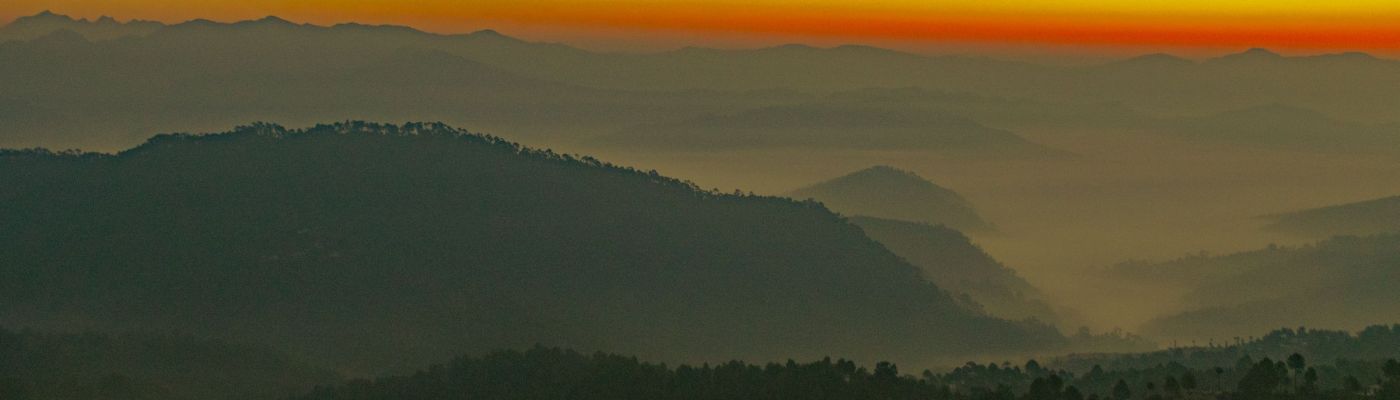
If you look beyond the common pilgrim trail in Uttarakhand, there are some fantastic destinations for those seeking a perfect blend of spirituality and nature. The Kasar Devi Temple, a highly revered shrine located in the beautiful Kumaon region of Uttarakhand, is one such spot.
Situated at an altitude of 2,116 meters above sea level, the temple of Kasar Devi and the village is located approximately 8 kilometers from the congested hill station of Almora. This hidden gem is a place of great spiritual significance that deserves attention from nature lovers.
The history of Kasar Devi Temple dates back several centuries and the deity is a form of Devi Durga. The temple is believed to have been built in the 2nd century AD by the Katyuri Kings, who ruled the Kumaon region at that time. It finds reference in the ancient texts of the Skanda Purana. Some texts also mention that the devi slayed the demons Shumbh and Nishumbh in this spot.
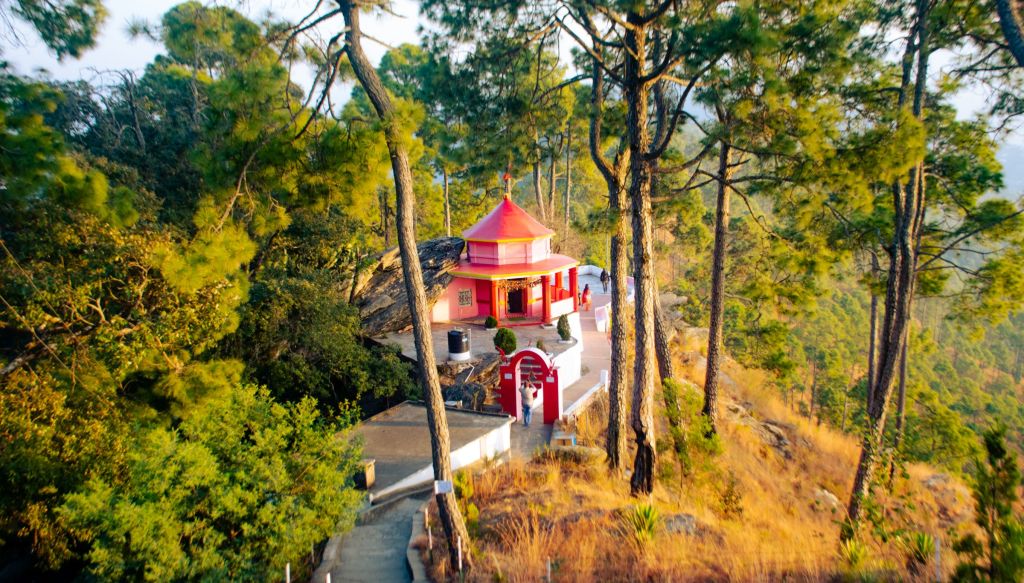
A steep climb of stairs from the road will take you up through the forests, and into the temple. While the original idol of the deity was carved inside a cave, the temple that we see today was built in 1948. The main shrine houses the idol of Kasar Devi, which is made of black stone and is believed to be over a thousand years old. Look closely and you will see the rock structure still forming a part of the temple.
The temple is also associated with the great Indian sage, Swami Vivekananda. He visited the place and meditated here in the late 19th century. The spot where Swamiji sat and meditated is a few metres away from the main temple.
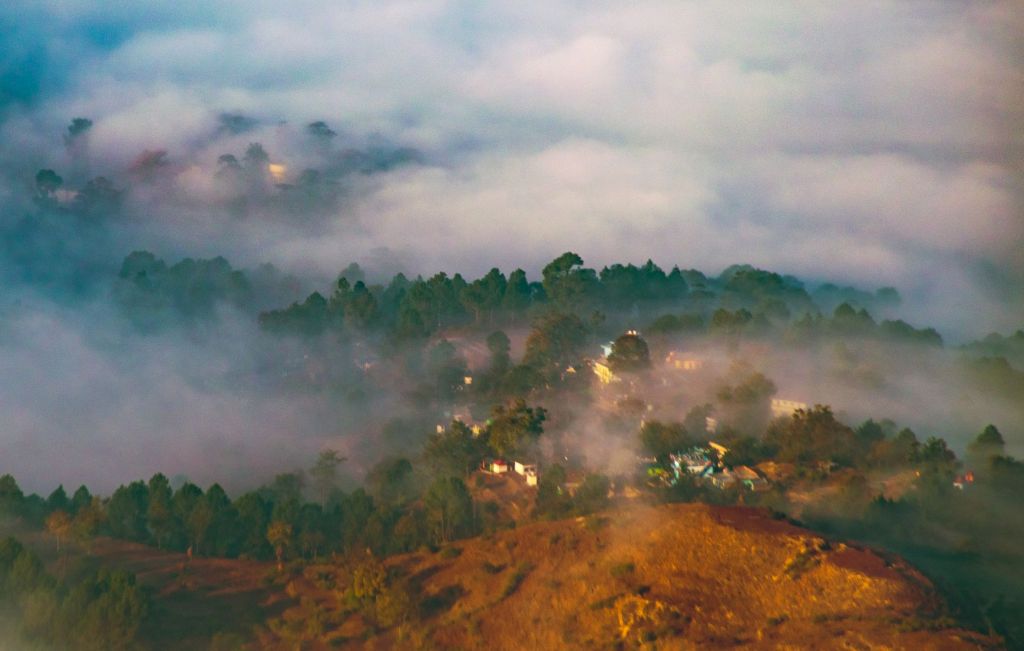
The Sarada math located below the Devi temple is a spiritual centre for Brahmacharinis and Sadhvis pursuing the ideals of Swamiji. Apart from that, several prominent figures like Rabindranath Tagore, Bob Dylan, and DH Lawrence visited the area.
The main temple is dedicated to Kasar Devi, and a new Shiva temple has been built at the top of the hill, a few meters uphill from the main temple. Both temples are perfect spots to soak in the stillness and silence of the mountains and meditate. However, there are plenty of monkeys around, so be careful with your personal belongings.

One of the most striking features of Kasar Devi Temple is its fantastic location. The temple is situated on a hilltop, offering stunning views of the surrounding mountains and valleys in the west with Almora city lying below.
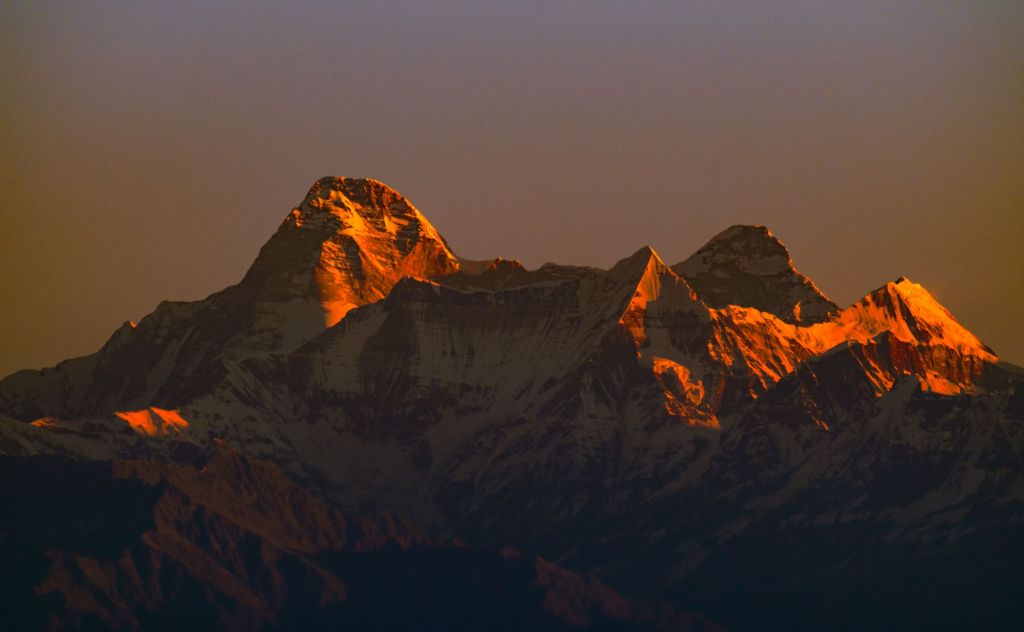
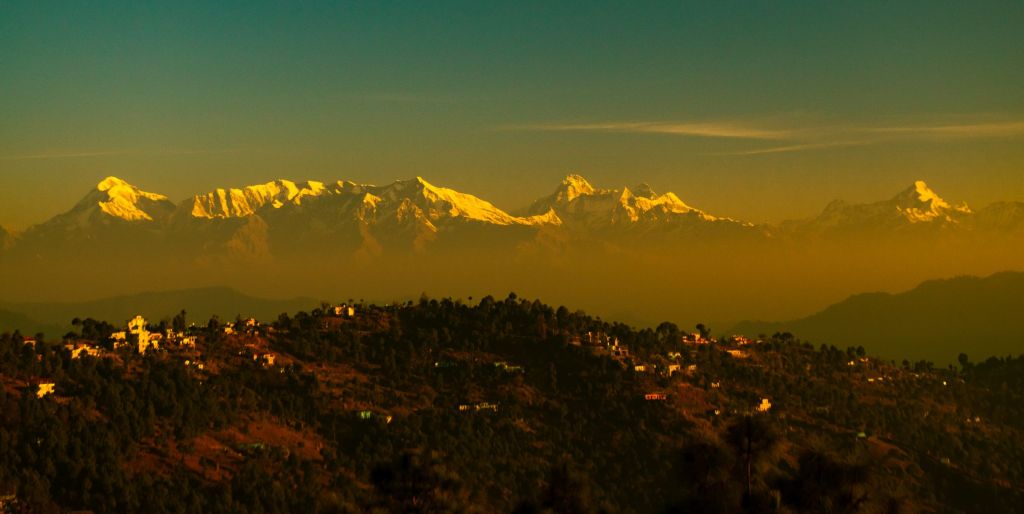
To view the snow peaks of Nanda Devi, Trishul, and more come down the stairs and head to the long ridge line extending in the opposite direction from the temple. This is a fantastic place to enjoy a sunset with almost a 180-degree view of the Himalayas.
In the 1960s, the ridge was called the Hippie Hill and was a favourite spot for westerners involved with the Hippie movement. One of the visitors in that period was the eccentric psychologist Timothy Leary, who advocated experiments with LSD.
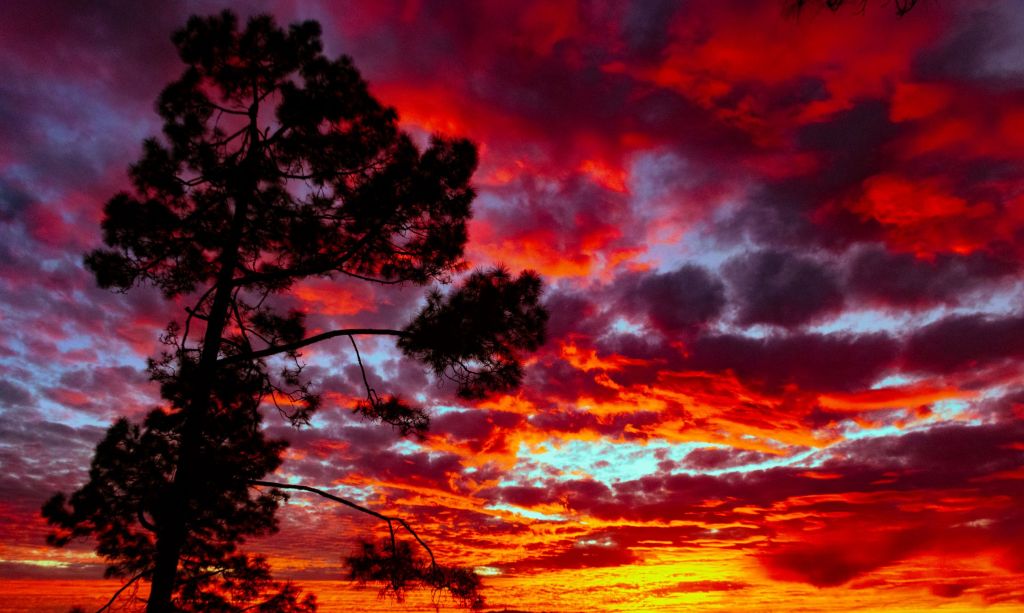
One late afternoon in December, I stood on the ridge, marveling at a glorious sunset with the cloud canvas of the sky painted in shades of red, orange, and yellow. The color was reflected on the snow peaks, turning them from orange to red– a grand spectacle resulting from a few casual strokes from the supreme artist. As the sun went down the horizon, the lights in the town of Almora started twinkling like fireflies on the hills far below.

Visitors to the temple can also explore the nearby places of interest, such as the Binsar Wildlife Sanctuary, which is home to a rich variety of flora and fauna. However, it is best to spend a few nights in Binsar to enjoy the beauty of the place.
The Jageshwar temple complex is another great destination for a day trip from Kasar Devi. There are no multi-day trek routes around the area, but you can enjoy hikes through the forests and villages.
But perhaps the best option will be to do nothing, relax in the sun and watch the snowy peaks change their colours as the day passes. The forests are also great for spotting a few colorful birds. Being near the Binsar Wildlife Sanctuary, the region has plenty of wildlife including leopards. In fact, our resort owner shared a video of a leopard caught in the headlights during the night.
An interesting topic for discussion is the link between Kasar Devi and the Van Allen Belt. Even a board near the temple entrance mentions this. The Van Allen Radiation Belts are the subject of an investigation by scientists and Nasa has launched Van Allen probes to study the belts. However, I could not find any mention of Kasar Devi on the Nasa page about the Van Allen belts.
Note, neither the inner nor the outer Van Allen Belts make any contact with the earth’s surface. And I could not find any data on special geomagnetic fields generated by the belt. So, I am not aware of how the area around Kasar Devi, or Peru’s Machu Picchu and UK’s Stonehenge, is associated with the belt as per some theories.
Frankly, I never felt the need to rationalize the aura of the place through some form of scientific explanation. Even without considering any form of comic energy, the natural beauty and the ambience of the temple are magnetic enough to attract any visitor seeking serenity.
There are plenty of hotels and homestays in Kasar Devi that one can choose from. I stayed in Rudra Himalayan Retreat which offers simple but clean rooms with a balcony that provides a good view of the Himalayan peaks. The big plus is, it’s right near the stairways leading to the temple.
If you want mountain views from the room, you can check out the Kasar Himalayan Heights Hotel. Since connectivity is good in the area, you can also combine your vacation with some work.
The Kasar Devi Temple is a rare spiritual destination that has still remained beyond the destructive gaze of economic interests. But we never know how long this will last.
At present, the temple’s serene and peaceful environment makes it a must-visit destination for anyone interested in exploring the spirituality and natural beauty of this region.
By Suvajit Banerjee
©2023 teleratz.com
 Teleratz